






What is herpes
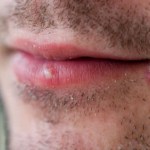
Herpes is a very common and usually mild recurrent skin condition transmitted through skin to skin contact.
Approximately 50% – 80% of the adult population in the United States has oral-facial herpes (also known as cold sores and fever blisters), with as many as 90% having it by the age of 50.
Approximately 25% of the adult population in the United States has genital herpes, with as many as 90% of that population unaware that they have genital herpes.
Herpes is caused by the herpes simplex virus (HSV) of which there are two types: HSV-1, which typically results in oral-facial herpes; and HSV-2, which typically results in genital herpes, however either type can infect either site.
For some people the symptoms can be uncomfortable, particularly during the initial outbreak, but for most people the symptoms are so mild that they go unrecognized, and therefore undiagnosed.
After contracting the virus, it may take weeks, months or even years to experience an outbreak so it’s difficult to know how long you’ve had it, or where you got it.
Herpes is most contagious during an outbreak, however it can be spread even when no symptoms are present if the virus is active on the skin. This is called asymptomatic shedding. Though asymptomatic shedding occurs only several days each year, it is impossible to know which days it occurs. The surest way to prevent (or diminish) the spread of herpes to is to avoid sexual contact during an outbreak, and to use condoms and/or dental dams during sexual contact between outbreaks. Suppressive antiviral therapy also helps reduce the risk of infecting a partner by decreasing the frequency of outbreaks and asymptomatic shedding.
If you think you might have herpes . . . If you think you may have herpes, it is important to see a healthcare professional as soon as possible to get tested and properly diagnosed. Many people with herpes have mild or no symptoms and may not be aware that they have the virus. If you are diagnosed with herpes, your healthcare professional will be able to provide you with information about treatment options and how to manage symptoms. It is also important to inform your sexual partners about your diagnosis so they can also get tested and treated if necessary. It is also important to practice safe sex and use barrier methods to reduce the risk of transmission.
At TCFG we offer a weekly herpes support group as well as individual, couples and family therapy sessions. The herpes group work is super affordable.