Beginner’s Body Awareness Exercises
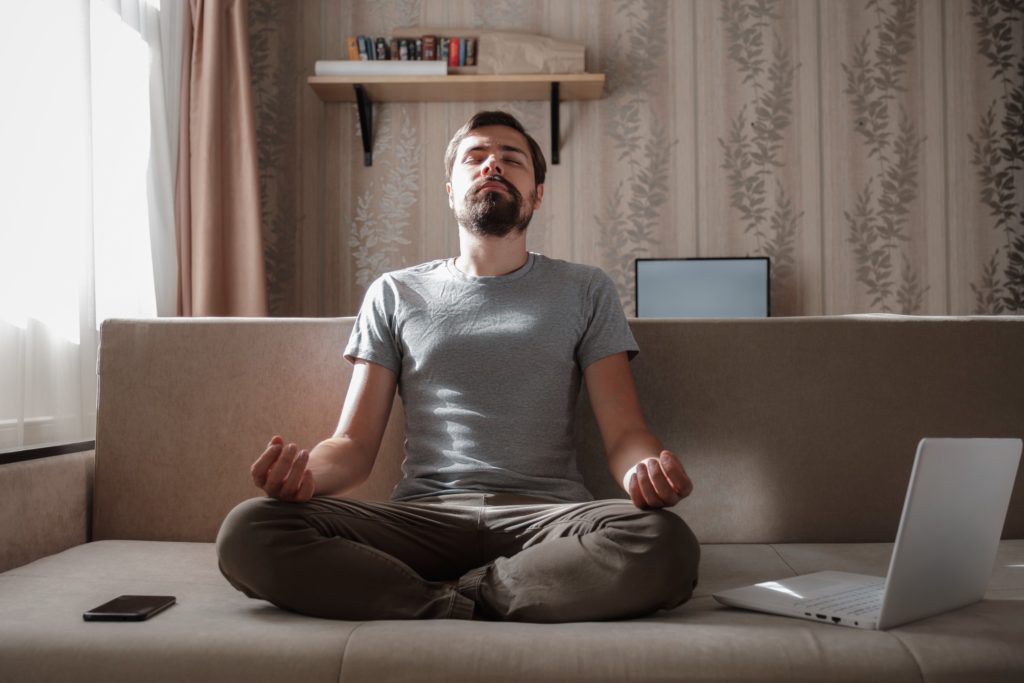
Beginner’s Body Awareness Exercises for Emotional Regulation and Stress Relief
Improve Mind-Body Connection Through Simple Body Awareness Practices
Have you ever experienced an intense emotional reaction that seemed to come out of nowhere? Maybe you felt overwhelmed by anxiety, sadness, anger, or stress and struggled to control your thoughts, words, or actions. While these emotional experiences can feel sudden, your body was likely sending you warning signs long before the emotions became overwhelming.
Body awareness exercises can help you recognize subtle physical sensations connected to stress, emotions, trauma responses, and nervous system activation before they escalate. Learning how to tune into your body can improve emotional regulation, reduce stress and anxiety, strengthen the mind-body connection, and increase your ability to respond to emotions with greater awareness and control.
If you are new to mindfulness, somatic therapy, nervous system regulation, or body awareness practices, these beginner-friendly body awareness exercises can help you reconnect with your body gently and safely.
What Is Body Awareness?
Body awareness refers to your ability to notice and understand physical sensations occurring within your body. These sensations may include:
- Muscle tension
- Tightness in the chest
- Changes in breathing
- Increased heart rate
- Fatigue
- Stomach discomfort
- Restlessness
- Warmth or tingling
- Emotional sensations in the body
Our bodies constantly communicate information about our emotional and physical needs. Often, these signals begin subtly and grow stronger over time. However, many people miss these early warning signs until their nervous system feels overwhelmed by stress, anxiety, or emotional dysregulation.
Strengthening body awareness can help you:
- Improve emotional regulation
- Reduce anxiety and stress
- Feel more grounded and present
- Identify emotional triggers
- Increase nervous system awareness
- Improve coping skills
- Strengthen the mind-body connection
- Increase mindfulness and self-awareness
Think of body awareness as a skill that develops through practice, patience, and curiosity.
Benefits of Body Awareness Exercises
Practicing body awareness exercises regularly may help:
- Reduce emotional overwhelm
- Improve stress management
- Increase relaxation
- Support trauma recovery
- Enhance mindfulness
- Improve nervous system regulation
- Reduce dissociation
- Increase self-awareness
- Promote emotional balance
- Improve connection to physical sensations
Whether you are completely new to body awareness practices or have tried mindfulness exercises before, these beginner body awareness exercises can help you reconnect with yourself in a supportive and manageable way.
Beginner Body Awareness Exercises
Below are two beginner-friendly body awareness exercises designed to help you notice physical sensations, increase relaxation, regulate your nervous system, and strengthen your awareness of your body.
As you practice, try to notice sensations without judging them or trying to change them. You may notice discomfort, tension, relaxation, warmth, tightness, emotions, numbness, or wandering thoughts. All of these experiences are normal.
If thoughts interrupt the exercise, gently redirect your attention back to your body without criticism or frustration.
You may find it helpful to record yourself reading these exercises aloud so you can follow along more easily during practice.
Basic Body Scan Exercise
A body scan meditation is a mindfulness practice that helps increase awareness of physical sensations throughout the body. Body scan exercises are commonly used in mindfulness therapy, somatic therapy, trauma treatment, and stress reduction practices.
How to Practice a Basic Body Scan
To begin:
- Find a quiet and comfortable space
- Turn off distractions
- Dim the lights if possible
- Sit or lie down comfortably
- Loosen any restrictive clothing
Start by taking a few slow, deep breaths in through your nose and out through your mouth. Notice the sensation of breathing and the movement of air through your body.
Slowly begin bringing awareness to different areas of your body, including:
- Feet
- Lower legs
- Upper legs
- Hips and pelvis
- Abdomen
- Back
- Hands and arms
- Shoulders and neck
- Face and jaw
As you move through each area, simply notice:
- Tension
- Warmth
- Tightness
- Pain
- Tingling
- Relaxation
- Pressure
- Comfort or discomfort
There is no “right” sensation to feel. The goal is simply awareness and connection to your body.
Stretch and Release Exercise for Relaxation and Nervous System Regulation
This gentle stretch and release exercise is designed to improve body awareness while helping reduce muscle tension, stress, and nervous system activation.
Unlike traditional progressive muscle relaxation exercises, this practice uses gentle stretching rather than intense muscle tightening, making it more accessible for many individuals.
Benefits of Stretch and Release Exercises
This exercise may help:
- Reduce physical tension
- Improve relaxation
- Increase body awareness
- Support emotional regulation
- Calm the nervous system
- Improve breathing awareness
- Decrease stress and anxiety
- Improve physical grounding
How to Practice Stretch and Release
Find a quiet space where you can sit or lie comfortably.
Begin by focusing on your breathing:
- Take slow, deep breaths
- Notice your chest and abdomen rising and falling
- Allow your body to settle
Gradually move through different muscle groups, gently stretching areas including:
- Feet and toes
- Calves and ankles
- Knees
- Thighs
- Hips
- Abdomen
- Back
- Shoulders
- Arms and hands
- Face and jaw
As you stretch each area:
- Move slowly and gently
- Avoid straining
- Breathe deeply
- Notice the difference between tension and relaxation
Allow your body to soften as you exhale and release tension.
Tips for Building Body Awareness
If body awareness feels unfamiliar or uncomfortable at first, that is completely normal. Many people become disconnected from physical sensations due to chronic stress, anxiety, trauma, burnout, or emotional overwhelm.
Here are a few ways to make body awareness practice easier:
- Start with short exercises
- Practice consistently
- Avoid judgment
- Focus on curiosity instead of performance
- Pause when overwhelmed
- Move at your own pace
- Practice grounding exercises regularly
Remember: body awareness is not about doing the exercises perfectly. It is about learning to listen to your body with compassion, patience, and curiosity.
Final Thoughts on Body Awareness and Emotional Wellness
Practicing body awareness exercises can strengthen the connection between your mind and body, helping you better recognize emotions, manage stress, improve nervous system regulation, and respond to physical sensations with greater understanding.
Some days you may feel deeply connected to your body, while other days you may feel distracted, disconnected, numb, or emotionally overwhelmed. This is a normal part of the healing and self-awareness process.
What matters most is your willingness to slow down, notice your experiences, and care for yourself intentionally.
Over time, body awareness practices can become powerful tools for emotional regulation, mindfulness, trauma recovery, nervous system healing, and self-trust.
Be proud of the effort you are making. Every small moment of awareness matters.
Body Awareness Therapy and Support at The Center For Growth
If practicing body awareness exercises brings up difficult emotions or leaves you wanting additional support, therapy can help.
The therapists at The Center For Growth provide support for:
- Anxiety
- Trauma
- Stress management
- Emotional regulation
- Mind-body connection
- Somatic awareness
- Nervous system regulation
- Mindfulness and grounding skills
To learn more about therapy for emotional regulation, somatic therapy, or nervous system support, contact The Center For Growth at (215) 922-5683 x 100.